Mütter Museum
Mütter Museum
Mütter Museum
MEDICAL HISTORY MUSEUM REBRAND
Rebrand
Rebrand
Rebrand
Photo Editing
Photo Editing
Typography
Typography
Typography
Web Design
Web Design
Web Design
Audience Research
Audience Research
Audience Research
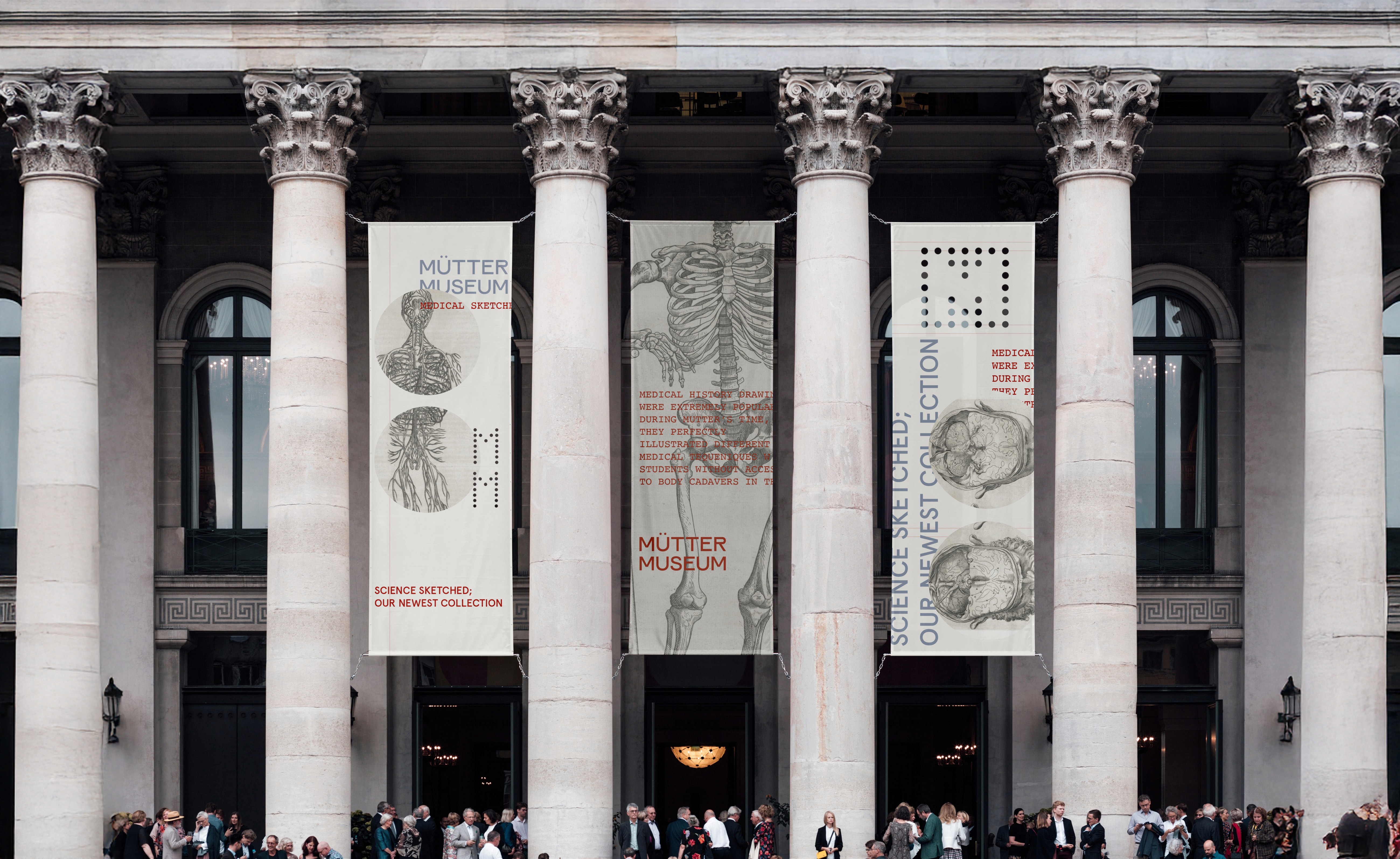
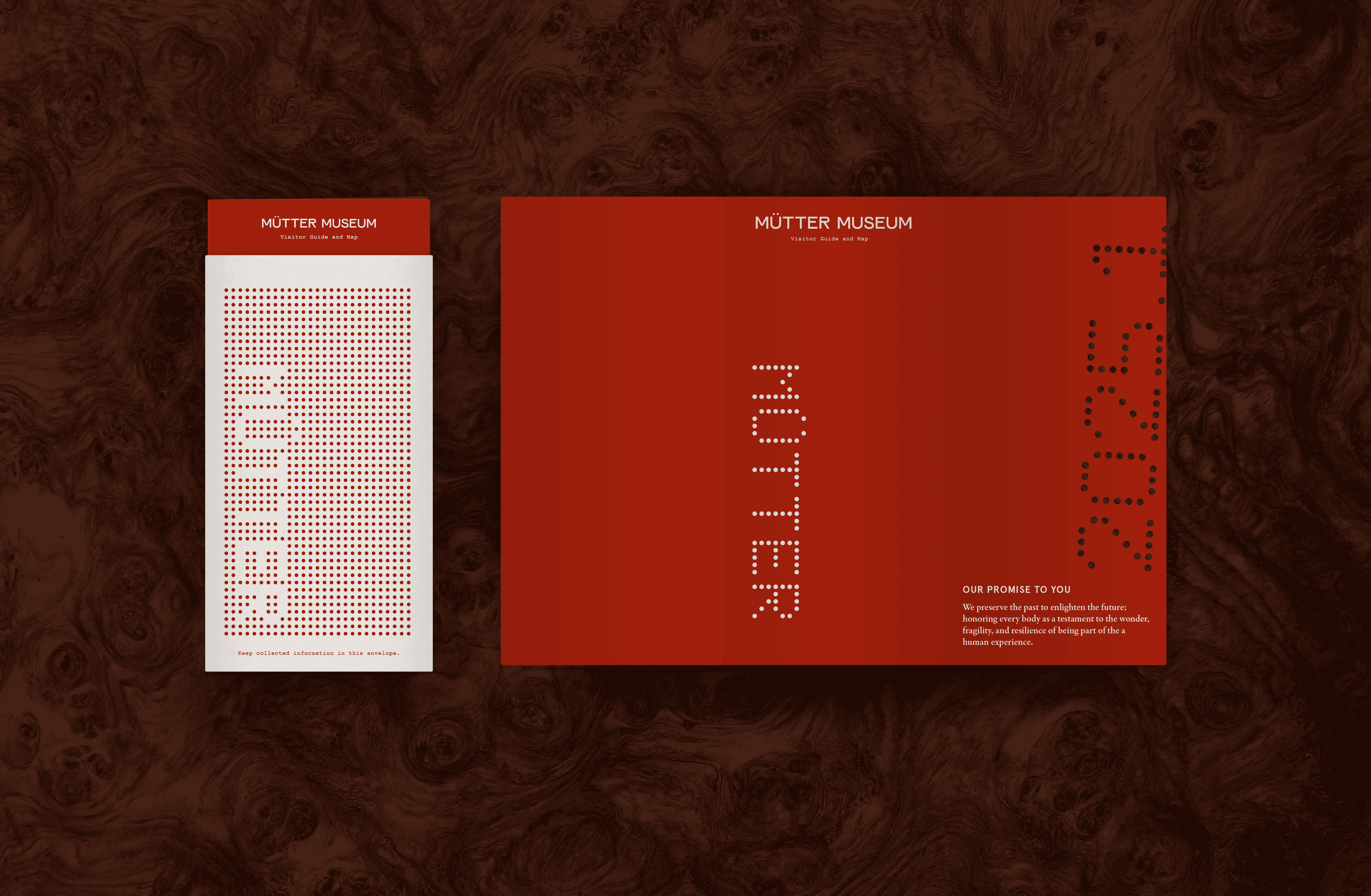
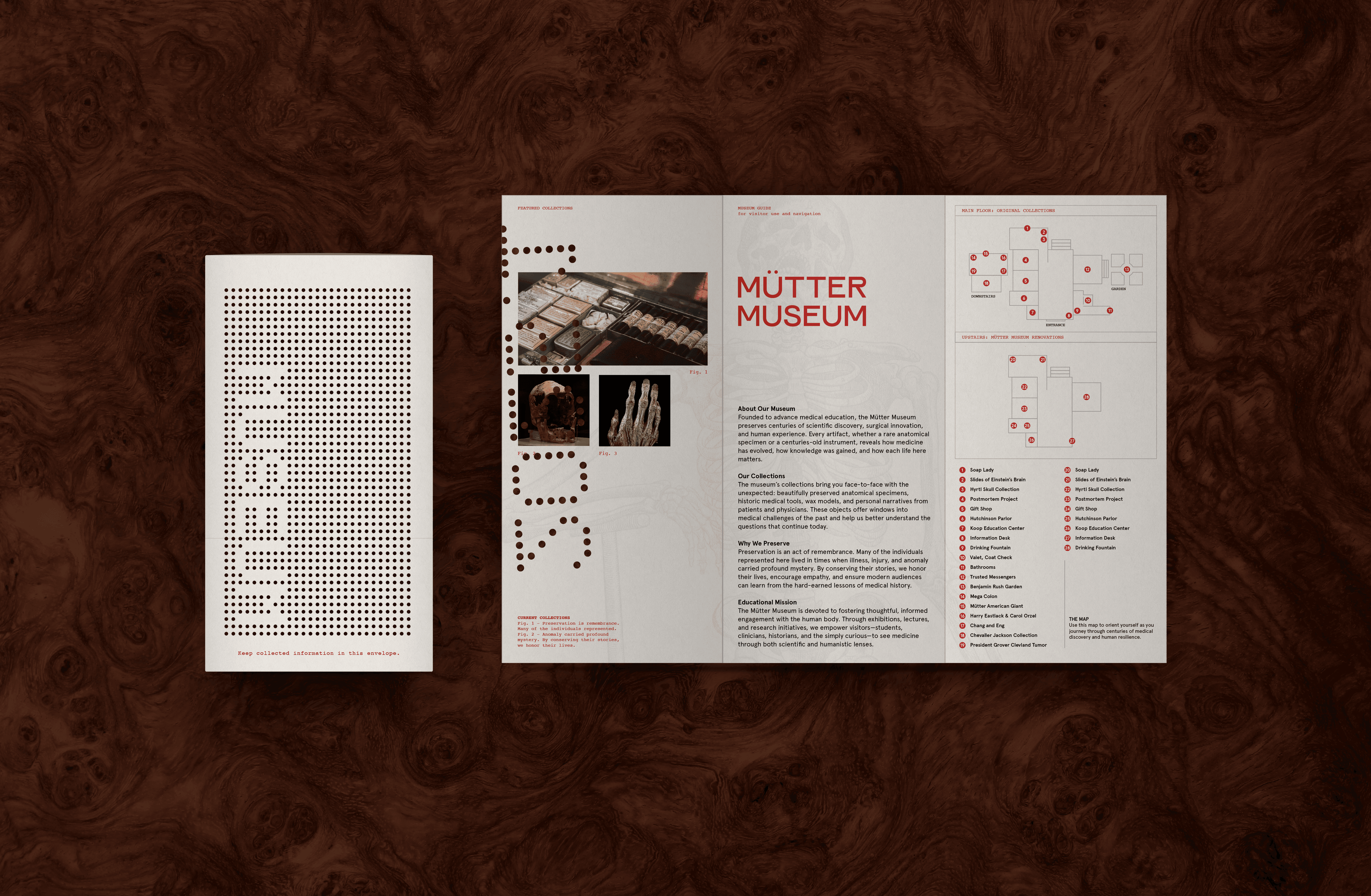
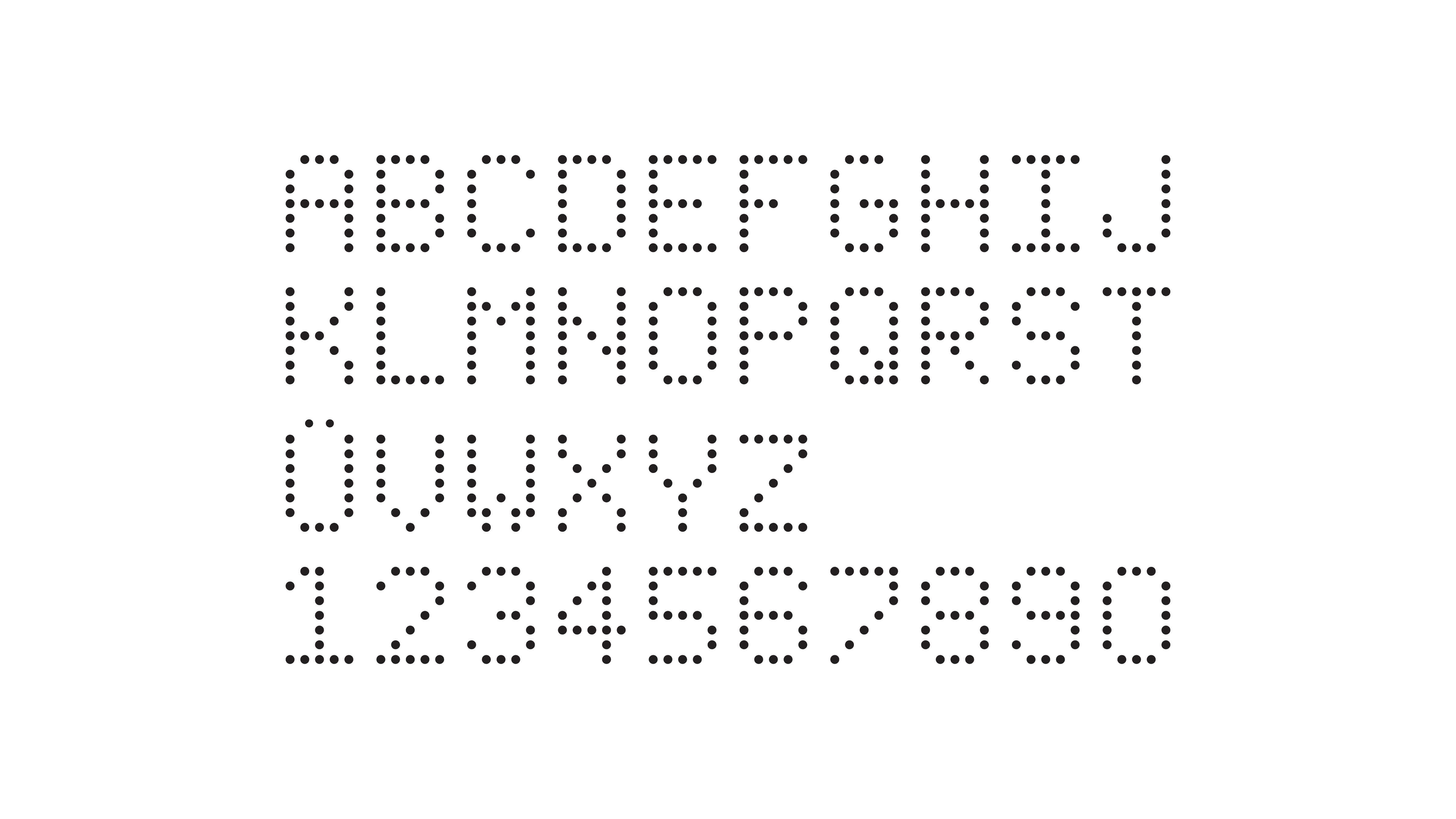
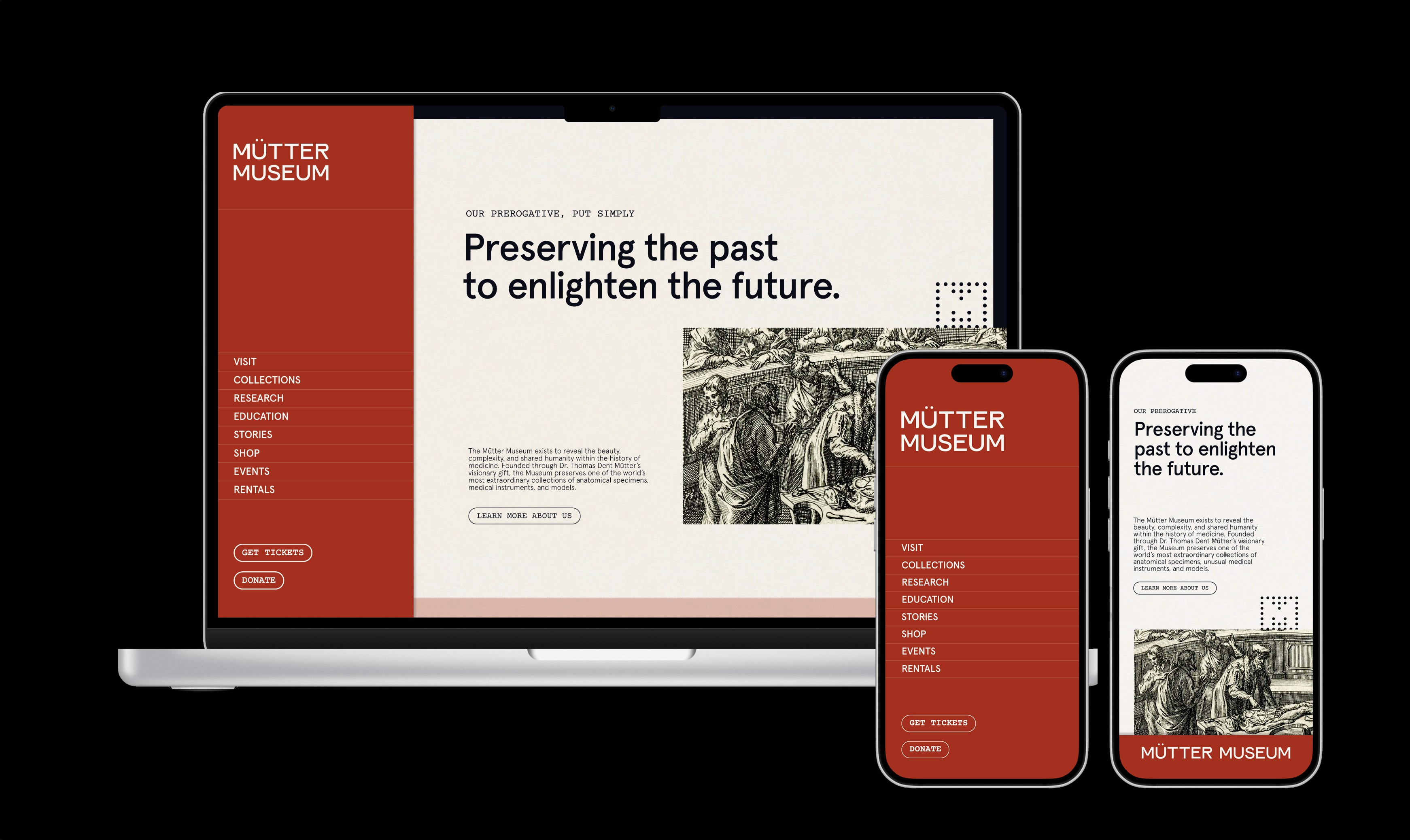
Maximalist and tactile, this system is built around the umlauts in Thomas D. Mütter’s name and offers a glimpse into a historical view of the body. Overlapping text, hole punching, and a strong emphasis on interactive stationery draw from the visual language of old medical notes and charts.
Because much of the museum’s collection is kept behind glass, the brochures and plaques are designed to be handled, used, and collected as visitors move through the space. Imagery is sourced both from the museum itself and from well-known historical medical illustrations.
Maximalist and tactile, this system is built around the umlauts in Thomas D. Mütter’s name and offers a glimpse into a historical view of the body. Overlapping text, hole punching, and a strong emphasis on interactive stationery draw from the visual language of old medical notes and charts.
Because much of the museum’s collection is kept behind glass, the brochures and plaques are designed to be handled, used, and collected as visitors move through the space. Imagery is sourced both from the museum itself and from well-known historical medical illustrations.
Maximalist and tactile, this system is built around the umlauts in Thomas D. Mütter’s name and offers a glimpse into a historical view of the body. Overlapping text, hole punching, and a strong emphasis on interactive stationery draw from the visual language of old medical notes and charts.
Because much of the museum’s collection is kept behind glass, the brochures and plaques are designed to be handled, used, and collected as visitors move through the space. Imagery is sourced both from the museum itself and from well-known historical medical illustrations.
Maximalist and tactile, this system is built around the umlauts in Thomas D. Mütter’s name and offers a glimpse into a historical view of the body. Overlapping text, hole punching, and a strong emphasis on interactive stationery draw from the visual language of old medical notes and charts.
Because much of the museum’s collection is kept behind glass, the brochures and plaques are designed to be handled, used, and collected as visitors move through the space. Imagery is sourced both from the museum itself and from well-known historical medical illustrations.




©2025 Alaina Thomas. All Rights Reserved.
Learn More